



Exploring the Benefits of Roll Forming Machines for Steel Frames
Exploring the Benefits of Roll Forming Machines for Steel Frames
Table of Contents
- 1. Introduction to Roll Forming Machines
- 2. Advantages of Roll Forming Machines in Steel Frame Production
- 3. Enhancing Manufacturing Efficiency
- 4. Cost-Effectiveness of Roll Forming
- 5. Precision Engineering in Steel Frames
- 6. Diverse Applications of Roll Formed Steel Frames
- 7. Maintenance and Longevity of Roll Forming Machines
- 8. The Future of Roll Forming Technology
- 9. Frequently Asked Questions
- 10. Conclusion
1. Introduction to Roll Forming Machines
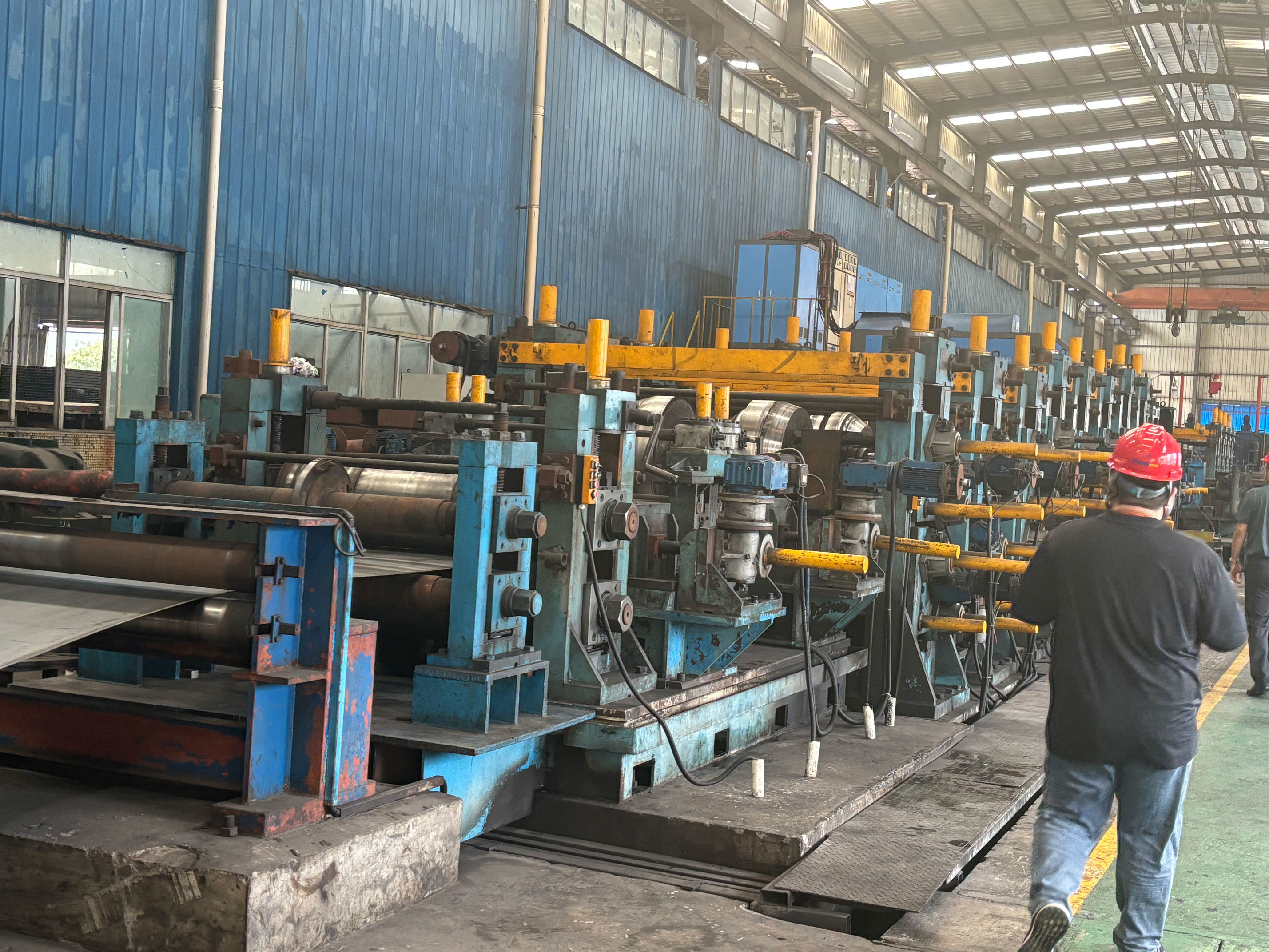
Roll forming machines are revolutionary tools in the manufacturing sector, specifically tailored for shaping metal sheets into precise profiles. These machines employ a continuous bending operation, transforming flat strips of metal into the desired shapes with remarkable accuracy. In this article, we will focus on the benefits of using roll forming machines particularly for the production of steel frames, a critical component in various industries including construction, automotive, and manufacturing.
2. Advantages of Roll Forming Machines in Steel Frame Production
When it comes to producing steel frames, several advantages put roll forming machines at the forefront of manufacturing processes. Their unique capabilities enhance production quality and operational efficiency.
2.1 High Production Speed
Roll forming machines can operate at high speeds, making them exceptionally efficient for large-scale production. Unlike traditional methods that may require multiple processes, roll forming allows for continuous production, which significantly reduces lead time and increases output.
2.2 Versatility in Design
One of the most significant advantages of roll forming is the ability to create complex shapes and profiles that may be challenging to achieve with other manufacturing processes. This versatility allows manufacturers to cater to a wide range of customer specifications, enhancing the competitiveness of their products in the market.
2.3 Material Efficiency
Roll forming is known for its minimal material waste. The process utilizes the entire width of the metal strip, which maximizes material efficiency and reduces costs associated with scrap. This aspect not only benefits the bottom line but also promotes sustainability in manufacturing practices.
3. Enhancing Manufacturing Efficiency
Efficiency is a cornerstone of successful manufacturing, and roll forming machines excel in this regard.
3.1 Continuous Operation
Roll forming machines can run continuously, allowing for uninterrupted production. This characteristic is particularly beneficial in high-demand scenarios where consistent output is crucial.
3.2 Reduced Labor Costs
Automating the roll forming process significantly reduces the need for manual labor. With fewer operators required, companies can allocate their workforce to other strategic areas, further enhancing overall operational efficiency.
4. Cost-Effectiveness of Roll Forming
Implementing roll forming machines in the production line can lead to substantial cost savings.
4.1 Lower Production Costs
The high-speed operation and minimal waste associated with roll forming contribute to lower production costs. Additionally, the efficiency gained from the reduced need for manual labor translates into significant savings for manufacturers.
4.2 Long-Term Investment
While the initial investment in roll forming machines can be considerable, the long-term benefits often outweigh these costs. The durability and longevity of these machines mean that companies can enjoy years of reliable service, making them a sound investment in the manufacturing landscape.
5. Precision Engineering in Steel Frames
Precision is critical in the manufacturing of steel frames, especially when dimensional accuracy and consistency are paramount.
5.1 Tight Tolerances
Roll forming machines are engineered to deliver tight tolerances, ensuring each steel frame component meets exact specifications. This level of precision minimizes the risk of errors during assembly, which can lead to costly rework or structural failures.
5.2 Consistent Quality
The automated nature of roll forming machines ensures consistent product quality across large batches. This reliability is crucial for industries that demand uniformity in their components to maintain performance and safety standards.
6. Diverse Applications of Roll Formed Steel Frames
The versatility of roll forming machines extends to a wide array of applications, particularly in the construction and manufacturing sectors.
6.1 Construction Industry
In construction, roll formed steel frames are used for structural support, roofing, and wall panels. Their strength-to-weight ratio makes them ideal for modern building designs, allowing for increased heights and larger spans.
6.2 Automotive Sector
The automotive industry utilizes roll formed steel frames in various components, including chassis and body structures. The lightweight yet durable nature of roll formed steel contributes to fuel efficiency and performance.
6.3 Manufacturing Equipment
Manufacturers rely on roll formed components in machinery, conveying systems, and other equipment. The precision and durability of roll formed parts enhance operational reliability and longevity.
7. Maintenance and Longevity of Roll Forming Machines
To maximize the benefits of roll forming machines, proper maintenance is essential.
7.1 Regular Inspections
Conducting regular inspections can identify potential issues before they escalate into significant problems. Preventative maintenance practices help ensure machines run smoothly, minimizing downtime.
7.2 Spare Parts Availability
Investing in roll forming machines from reputable manufacturers often ensures access to spare parts and technical support. This availability is crucial for maintaining the longevity of the machinery, allowing manufacturers to keep production lines running efficiently.
8. The Future of Roll Forming Technology
As technology continues to evolve, so too does the roll forming industry. Innovations in automation, smart technologies, and materials science are driving the future of roll forming machines.
8.1 Smart Manufacturing Integration
The integration of smart technologies allows for real-time monitoring and data analysis of roll forming processes. This capability enhances decision-making and operational efficiency, paving the way for smarter manufacturing solutions.
8.2 Advancements in Material Science
The development of new materials that are lighter yet stronger will influence future roll forming applications. Manufacturers that stay at the forefront of these changes will gain a competitive edge in the market.
9. Frequently Asked Questions
9.1 What are roll forming machines?
Roll forming machines are industrial equipment used to shape metal strips into continuous profiles through a series of rollers.
9.2 What materials can be used in roll forming?
Roll forming is primarily used with various metals, including steel, aluminum, and copper, making it a versatile solution for many manufacturing applications.
9.3 How does roll forming compare to other manufacturing methods?
Roll forming is typically faster, produces less waste, and yields more precise results compared to traditional methods like stamping or bending.
9.4 Can roll forming machines handle custom designs?
Yes, roll forming machines are highly versatile and can be tailored to produce custom shapes and profiles to meet specific customer requirements.
9.5 What is the average lifespan of a roll forming machine?
With proper maintenance, roll forming machines can last several years, often exceeding a decade, making them a long-term investment for manufacturers.
10. Conclusion
In conclusion, roll forming machines have transformed the way steel frames are produced, offering numerous benefits including enhanced efficiency, cost-effectiveness, and precision. Their versatility makes them indispensable in various industries such as construction and automotive manufacturing. As technology continues to advance, the future of roll forming looks promising, with opportunities for smarter, more innovative solutions. Investing in roll forming technology not only enhances the quality of production but also positions manufacturers for success in an increasingly competitive market.
Related Blog

Maximizing Efficiency with Flying Saw Technology in ERW Pipe Mills
In the realm of manufacturing machinery, particularly in the production of Electric Resistance Welded (ERW) pipes, the flying saw has emerged as a pivotal technology. The flying saw system is designed to cut pipe accurately at high speeds, ensuring that production lines remain efficient and output quality is maintained. This advanced cutting solution is integral for manufacturers looking to optimi

Online message
If you are interested in our products, please leave your e-mail, we will contact you as soon as possible, thank you!
Address: Building B2, Jianghai Business Center, Lecong Community, Lecong Town, Shunde District, Foshan City
WeChat Public
©2024 Foshan Yigaoxin Electromechanical Equipment Co., Ltd. Copyright All Rights Reserved Powered by www.300.cn | SEO Tags | Privacy
Business License